Tuesday, June 30, 2020

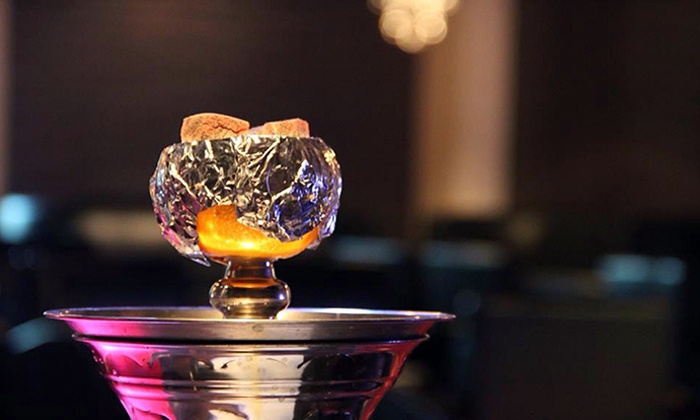
Hookah a Health-Risk or a Social Gathering Activity?

The use of tobacco is the leading preventable cause of death worldwide. While the rate of cigarette smoking has decreased in the U.S because of extensive education campaigns, alternative forms of tobacco use such as hookah are on the rise. The American Medical Association (AMA) estimates that 15% to 41% of US college students smoke hookah, 18% of high school seniors have used it in the past year, and nearly half of middle and high school students report being aware of hookah.[1] While some teens view hookah as a safer alternative to cigarette smoking, the scientific evidence points otherwise. Further, the different flavored tobacco, such as apple, mint, cherry, grapefruit, watermelon, and licorice attract young adolescents and provide the false impression that it is less harmful than smoking.[2],[3]

The health effects of hookah are well documented in the scientific literature however several cultures, especially middle-eastern remain unaware of the evidence, and subscribe to the myths that hookah smoking is not addictive, the water in hookah filters the harmful ingredients, and cigarette burn the lungs because of the heat, while hookah smoke is cooler, so it does not burn. In qualitative studies among Arab American adolescents, waterpipe use has been viewed as being “cool” and a way to socialize with friends.[4] Socializing is a common theme in the few studies conducted in the United States. In one study, about 80% of waterpipe tobacco smokers surveyed reported that they smoked tobacco in a waterpipe at least in part because it is a good way to socialize with friends.[5]

Hookah vs Cigarette 

Hookah smoking has many of the same health risks as cigarette smoking. Water pipe delivers nicotine. Nicotine is a highly addictive drug and found in tobacco products. Because the use of hookah is a prolonged social event, smokers absorb more of the toxic substances than in a cigarette. An hour-long hookah smoking involves on average 200 puffs while smoking a cigarette involves 20 puffs, leading to the amount of smoke inhaled in a hookah sitting to be about 100 times more than smoking a cigarette (90,000 ml in hookah vs 500-600 ml in cigarette).[6] Tar (nicotine-free dry particulate matter) is also inhaled at a rate 40 times higher in hookah then in cigarette (802mg vs 22.3mg) and carbon monoxide is inhaled at a rate 10 times higher in hookah than in cigarette (145mg vs 17.3mg). Other significant studies have also found alarming levels of formaldehyde, polonium isotope, uranium decay that delivers radiation doses with radiotoxic effects on human lung cells.[7,8] In addition, second-hand smoking from hookahs is as much of a health risk if not more than cigarette since the smoke contains a larger amount of tobacco toxins emitted during the burning process.6 Furthermore, the burning activity causes harmful components release such as carbon monoxide and the water in the hookah does not filter out these components. Taken together, all of the data concerning waterpipe tobacco toxicant content raise important concerns, as decades of research on cigarette smokers demonstrate that prolonged exposure to these toxicants leads to significant adverse health effects 

Health Risks of Hookah Smoking 

There are several health risks associated with hookah smoking. Waterpipe tobacco smoking is considered a public health threat and the American Lung Association has recently called it the ‘emerging deadly trend’. In fact, waterpipe smoking has been suspected to be a risk factor for a number of tobacco-related diseases such as lung cancer, esophageal cancers, nasopharyngeal cancer, oral dysplasia, cardiovascular disease and adverse pregnancy outcomes such as infertility and low birth-weight. In addition, the waterpipe device may expose its user (via its non-tobacco components) to metals and cancer-causing chemicals. The potential association of waterpipe smoking with communicable diseases such as hepatitis C, oral herpes and tuberculosis (via its shared and repetitive use without proper sanitation) has also been reported.[9] Respiratory illnesses such as perennial rhinitis, nasal congestion, wheezing, and chronic obstructive pulmonary disease (COPD), bronchitis has been associated at a high rate in hookah smokers.[9,6] 

Electric Heat Hookahs 

Recently with the advancement in technology, manufacturers released newer version of hookahs that use electric heat instead of charcoal dubbed “e-charcoal”. These manufacturers often market these devices as a safer alternative to traditional charcoal hookah. However, in a study presented at the American Chemical Society, a group of scientists at the University of Cincinnati found that e-charcoal smoke kills 80% of sample lung cells 24 hours after exposure as opposed to 25 % of lung cells killed in a conventional charcoal heat.[10] At this time, the Center for Disease Control and Prevention (CDC) says that experts have little knowledge about the health risk of electronic tobacco products. However recently, the Food and Drug Administration (FDA) has issued a warning about e-cigarette and teen usage placing the manufacturers on notice and requesting them to provide a plan to mitigate the marketing and sale of e-cigarette to youth.[11]

Is Smoking Hookah an Addiction? 

The immense cost to humanity of widespread addictions is well documented historically. Whether we speak of drug addiction, gambling, pornography, alcohol... etc. Alcohol, nicotine, and caffeine are usually considered domestic drugs. Nicotine addiction, for example, is one of the main causes of lung cancer and its use not only shortens a person’s life expectancy but results in a typical loss of freedom and energy, a burden on their family, community, and society at large. While we consider drug addiction as fundamentally a sickness and an illness in need of multidisciplinary therapy, in no way does this attitude absolve the addicts of their share of moral responsibility for their actual situation. The vocation of the clinicians, especially physicians, is to heal and not to sit in judgment on others. Yet he is expected to search for the causes of a patient’s distress and accordingly prescribe the most appropriate and effective remedy, as well as educate and participate in public health debates. On the other hand, secular legislation and ecclesiastical authorities should not put aside their moral responsibility and imperative to strive for the common good and the advancement of human dignity. These entities should not lose sight and cooperate either materially or formally with evil acts. 
The risk of categorizing addicts as helpless victims destroys morality by denying the possibility of good freely-chosen action. Alcoholism, gambling, drug addiction should be called what they really are: sinful habits or vices. It is no coincidence that the word vice contains the notion of addiction – a kind of helpless slavery – even while it affirms the presence of free will and moral culpability. Freedom makes man a moral subject. In fact, the Catechism of the Catholic Church (CCC) states it best: “when [man] acts deliberately, man is, so to speak, the father of his acts. Human acts, that is, acts that are freely chosen in consequence of a judgment of conscience can be morally evaluated. They are either good or evil.” (CCC 1749). Since we are essentially a union of body and soul- a person, what we do with either our body or our soul affects both our body and our soul. In essence, we become what we do. Repeated actions literally reform our personhood accordingly and ultimately define our very nature by becoming “second nature”. Thus the man who gambles repeatedly becomes a gambler. What we originally chose to do, and what earlier on we could have much more easily chosen not to do, now becomes the master who ruthlessly rules our lives and in-habits us. 

What Next? What Can We do?

It is evident from the scientific data that smoking hookah, especially among the youth, can lead to a plethora of negative health outcomes and nicotine addiction. We also know that a person does not wake up one day and is an addict, but one becomes an addict and enslaved to whatever his/her addictions may be. We also know that bad habits grow and that what we freely chose to do or not to do will become who we really are. We also know, that our responsibilities as parents, as a community, and as a society to educate and raise awareness is a right and duty. We cannot remain complacent and provide material cooperation in fostering bad-habits in our children. Therefore, we should talk to our children early and often about the risks of using tobacco or nicotine in all forms. We should know the laws in our state about the legal age to use hookah in a public place and counsel our adolescent accordingly. Use the yearly physical medical examinations as an opportunity to review this information, and if you are concerned that your child is using any of these tobacco or nicotine products, speak up to discuss how best to evaluate and approach treatment. Finally, we should educate our adolescent that there is no evidence that using hookah can help them break a smoking habit and may, in fact, increase the risk for nicotine addiction and model before them the good example that is needed. 


References:
[1] Moreno MA. Risks of Hookah Smoking. JAMA Pediatric. 2015;169(2):196.
[2] American Lung Association. An Emerging Deadly Trend: Waterpipe Tobacco Use. Washington: American Lung Association, 2007.
[3] American Lung Association. Hookah Smoking: A Growing Threat to Public Health Issue Brief. Smokefree Communities Project, 2011.
[4] Rice VH, Templin T, Kulwicki A. Arab-American adolescent tobacco use: four pilot studies. Prev Med. 2003 Nov; 37(5):492-8
[5] Smith-Simone S, Maziak W, Ward KD, Eissenberg T. Waterpipe tobacco smoking: knowledge, attitudes, beliefs, and behavior in two U.S. samples. Nicotine Tob Res. 2008 Feb; 10(2):393-8.
[6] Cobb CO, Ward KD, Maziak W, et al. Waterpipe Tobacco Smoking: An Emerging Health Crisis in the United States. Am J Health Behav. 2010;34(3):275–85.
[7] Al Rashidi M, Shihadeh A, Saliba NA. Volatile aldehydes in the mainstream smoke of the narghile waterpipe. Food Chem Toxicol. 2008 Nov; 46(11):3546-9.
[8] Martell EA. Radioactivity of tobacco trichomes and insoluble cigarette smoke particles. Nature. 1974 May 17; 249(454):215-7.
[9] Akl EA, Gaddam S, Gunukula SK, et al. The Effects of Waterpipe Tobacco Smoking on Health Outcomes: A Systematic Review. Int J Epidemiol. 2010;39:834–57
[10] Miller M. Smoking Hot. UC magazine. Available at https://magazine.uc.edu/editors_picks/recent_features/hookah.html Accessed September 15, 2018.
[11] Food and Drug Administration News Release. FDA takes new steps to address epidemic of youth e-cigarette use, including a historic action against more than 1,300 retailers and 5 major manufacturers for their roles perpetuating youth access. September 2018.

Wednesday, August 23, 2017

Health Outcomes- The Role of the Patient

In a recent editorial published in the May/June edition of the Journal of the Advanced Practitioner in Oncology (JADPRO), Drs. Ramirez and Campen exposed systemic failures in detecting drug-drug interactions (DDIs) in the oncology setting. Their article was an extrapolation of a Chicago Tribune exposé that addressed the same issue albeit in the community pharmacy setting. Ramirez and Campen basing their editorial on the "Swiss cheese model" identified 4 gaps: (1) prescriber knowledge, (2) computer screening, (3) pharmacist knowledge, (4) patient education. The authors concluded that "The system is failing, and the problem only seems to be growing".

Where do we go from here? how do we fix such a problem? in previous posts, I mentioned the shift toward a new healthcare paradigm of patient outcomes data collections. Perhaps one of the most important contributor to the gaps exposed by Ramirez and Campen is the use of multiple pharmacy as a provider of pharmaceuticals. For instance, a patients may receive his chronic illness therapies from a mail order supplier, his acute medications from his local drug-store and his oncology or immunological therapy from speciality pharmacy. Not to mention that all these medications maybe prescribed by various specialists and general practitioners. In addition, the availability of apps and websites that provide cost comparison and coupons promoting patients to shop for medications from various sources compound the multi-pharmacy use problem. There is enough evidence in the literature that indicates that this issue reduces adherence to medication, and increase the risk of unchecked DDIs.
Historically, pharmacists enjoyed the highest level of trust to provide drug information to patients, improved adherence by reminding patients of due refill, promoting medication therapy management (MTM), avoid dispensing medication causing potential DDIs without discussion with prescribers.
However today, in the multi-pharmacy use model that centralized one pharmacist is removed and the patient's safety is therefore compromised.

As we move into this new paradigm change in healthcare where costs trumps all, there seem to be two options to keeping a centralized data on the patient's medication therapy.
1) Health insurance agency (governmental or non-governmental): data is maintained and reviewed in real-time, screened for the potential drug-drug interaction, duplication of therapy, dosage appropriateness...etc (not to mention these services are currently sporadically available). In addition, there must be some routine review conducted by health insurance agency in the like of case management. However, inherent in such a model, are ethical concerns and conflicts of interests that need to be addressed. For instance, how would cost influence choice of therapy? or how would the agency use patient's data?
2) Patient portal data gathered from various healthcare providers is stored to a secured patient portal with ease of use. Patient is then educated on the its use and it is ultimately the patient that grant access to the healthcare providers. Furthermore, built in application to enhance health literacy and engaging the patients in a meaningful way to take charge of their health. This seems to be the best model, relying on a universal electronic health record (EHR) as opposed to a multiple provider-dependent variations of electronic medical record (EMR). However, this model is not without shortcomings, mainly patient literacy. Yet this can be overcome with patient education and user-friendly customization according to the patient's health literacy level. Ultimately, the onus is therefore on the patient to take charge of his/her records and disseminate this information to his/her clinicians.

Improving patient's health outcomes is not simply the burden of the "system" as if the "system" is some extrinsic entity. Improving patient's health outcomes relies significantly on education the patient and improving their health literacy so that the patients take charge of their health.

Monday, July 17, 2017

I Believe in Miracles

I believe in miracles because I believe in Jesus Christ who for us men and for our salvation he came down from heaven, and by the Holy Spirit was incarnate of the Virgin Mary, and became man. To believe in miracles is to believe that God can and does intervene in our lives in exceptional manifestations beyond what we consider natural. As the philosopher and member of the Pontifical Council for the Laity Fabrice Hadjadj once wrote: "A miracle is not present to make us live extraordinary events, but so we can live extraordinarily the most ordinary and common events."
If miracles are defined as the intervention of God in our history and lives, we certainly can find in Scriptures plenty of examples. But above all, the miracles of all miracles as stated in Mysterium Fidei and Mirae Caritatis is the Eucharist. The transubstantiation of the complete substance of the wine and the complete substance of the bread into the blood and body of Christ, remains a miracle par excellence and a mystery understood only by faith.

Prayer and faithfulness are the first requisite for miracles. In fact in the healing of the two blind men (Mat 9:27-31) it is their faith and confidence in God that secured their sight.  The dialogue illustrates the point. The blind men cry out- Have mercy on us Son of David (27) to their cry Jesus asks Do you believe that I am able to do this? (28) for which they replied a resounding Yes Lord (28) resulting in Jesus granting them their sight according to their faith (29). As Pope Francis said to obtain a miracle one must pray from the heart a courageous prayer that struggles for a miracle.
Miracles above all are a tangible signs of the presence of God. They are not what make saints despite the requirement of miracles in the canonization process. Faith and prayer is what produces miracles. However, we must abandon our chronic reliance on cause-to-effects reasoning.

Miracles are personal and happens aside from the multitudes. In the healing of the deaf and mute in Mark we read how Jesus "taking him aside from the multitude privately, he put his fingers into his ears, and he spat and touched his tongue" (Mk 7:33). This privacy, Pope Benedict XVI comments is not simply to escape the suspicions and misinterpretations of the multitude, but to create an intimate moment of the person with Jesus. An intimate moment where Jesus can spit and touch the sick's tongue and place fingers into his ears as if Jesus and the deaf-mute are the only people around in silence and humility.

Beyond the earthly life of Jesus, saints have been attributed with miracles, starting with the Apostles Peter, John and James, to saints of the modern era such as St Sharbel (1828-1898) this recluse who's miracles stretch worldwide and have exceeded 10,000. The saints through their intercessions make present or manifest God's presence in our world. God's willingness to be present and desire to remain and be available in our lives. Yet with all that being said, one must be mindful always to the wonderful blessing Jesus bestow on those who "have not seen and yet believe".

Friday, March 24, 2017

Measuring Patient Outcomes- An Elusive Proposition?

Improving patient health has been the question that plagued the medical society for years if not decades. In fact, I dare to say, that improving patient health is the impetus of the medical community.
In our modern era, improving patient health is rapidly becoming synonym with patient outcomes. With economic concerns over cost of diagnoses, therapies and subsequent monitoring, the third-parties (governmental or private) cost reimbursements leave us scrambling to find what works and what doesn't. While articles after articles in peer-review journals and in common news outlet speaks of novel therapy or newly discovered diagnostics, the burden of new information is crippling health care professionals and/or is pigeon-holing them into a super-specialties. Furthermore, continuing education, an ethical obligation for healthcare professionals, should be designed to meet certain objectives that address performance (Moore's level 5) and patient health (Moore's level 6).
However, our poor attempt to categorize patients according to their age/gender/race and disease or attempt at bucketing diagnostics/therapies into a one group, have led to unsatisfactory results in measuring patient outcomes. At best, some were subjectives on part of the clinicians, or retrospective and anecdotal evaluation. In addition, the lack of guidance on patient outcomes measurement compound the problem even further.
What now? The question remains; how do we measure patient outcomes? This elusive endeavor can prove challenging in the modern paradigm of healthcare. Are objective biomarkers for a particular disease state a determinant of positive or negative patient outcomes? In other words, if for example we manage a patient with diabetes to attain a hemoglobin A1C below 7%, does that mean we have a positive outcome? How about that patient weight? complications? yes, I submit that the diabetic guidelines account for all of these, and perhaps on a singular patient level a clinician may have evaluated all known factors. But chasing these factors and numbers reduces the practice of medicine into a fruitless play of cat and mouse.  Healthcare practitioner after all "do not treat numbers but treat people".
Ultimately the outcomes measurement is only achievable in a holistic, multi-disciplinary approach that relies on the three main pillars of medicine: the physician, the pharmacist and the nurse. This endeavor is attainable when all three pillars are interconnected and not standing alone; physician feels safe being challenged on certain therapy choice, pharmacist welcomes the nurse's input on the patient's concern or shortcoming, and the nurse provides accurate and complete patient information and relays patient's concern to the physician. This leads me to my first proposition: there must be a genuine and complete open communication across the healthcare medium. 

However, for this communication to be successful it should be patient driven. All conversations of patient outcomes should be put aside until the patients themselves take charge. Although patient apathy is a different issue for a different discussion, recognizing the submissive, inherent attitude of patients as subordinate to their healthcare providers should be noted. Because this patient behavior is well documented in lower socioeconomic environment, special effort should not be spared in providing compatible education. Which leads me to the my second proposition: patient education material should be engaging with less text and more infographics providing the appropriate contexts.

In summary, measuring patient outcomes will continue to be elusive, but it is not illusive. It is attainable provided we approach the subject in a systematic, comprehensive way and are willing to challenge and be challenged by a new healthcare paradigm.

Wednesday, March 15, 2017

The Book of Steps or The Syriac Liber Graduum

In the past several years, when lent approaches I search for a great meditative book. My criteria are usually simple; the book should be spiritual in nature not doctrinal nor an historical exposition. I have landed on few books through the years that I seldom find myself gravitating toward again and again. Among them The Divine Ascent by St. John Climacus, On Acquisition of the Holy Spirit by St Seraphim of Sarov, Great Lent: Journey to Pascha by Alexander Schmemann, and Poverty of Spirit by Johannes Baptist Metz. This year my search took me to a book I acquired several years ago but never delved into its pages: The Book of Steps or The Syriac Liber Graduum. The book has no author because he refused to identify himself. It is a collection of about 30 sermons or as they are referred to in Syriac: mēmrē (plural of mēmrā). The edition I obtained is published by Cistercian Publications. The Syriac was translated by Robert Kitchen and Martien F.G. Parmentier with a wonderfully written introduction and notes to accompany the work.
We know that the Syriac Liber Graduum  is written at the end of the 4th century by a spiritual director (if I were to use modern terms) who had the responsibility of uplifting and caring for a flock in the northern Persian Empire. In other words, the writing has a pastoral undertone and can provide significant practical advises despite the influence of the pre-monastic, ascetic Syriac era.
In fact Kitchen and Parmentier state: "He [the author] is the pastor and teacher of a church who must tend to all of his flock, the ninety-nine and the one."
The fundamental premise of the book is to guide the ordinary laity, wealthy sponsors and the non-Christians. The mēmrē provide advises on how to attain the "Perfect" state and avoid relapsing away from it. The author identify the "Perfect" as being those who have managed to detach themselves from the world and its materials, yet still caring for the people around them. On the other hand, the "Upright" are those who, although in the world, are carrying the corporal work of mercy to their neighbors wether they deserve it or not, while those he calls "Sick" are the morally rigid and the "Children" are those who are still immature in the faith and can be easily swayed by the devil. As simplistic as this may seem, each level or state is plagued with its own temptations with all being subject to falling back and/or ascending upward to perfection. Especially those who attain the Perfect state.  In fact, toward the last few mēmrē the author reaches the conclusion that perhaps an honest "Upright" is more worthy than a hypocrite Perfect.
Perhaps the most poignant message one can gather form these sermons are their practicality and their relevance in resisting temptation and insight into human behavior vis-à-vis God and his precepts.
I never was able to "get into the book" previously despite my admiration for all things Syriac, and I think I discovered the reason. I never read the introduction and the language in the mēmrē were so foreign and seemed archaic. However, this year, I began by reading the introduction where it unravelled and "decoded" some of the language used. Here we are almost in the middle of lent, and while I have made a schedule to read one mēmrā a day, I find myself glimpsing at the next one and resisting the temptation of reading more.

Friday, February 24, 2017

The U.S. Pharmacopeial Convention - Promoting the Quality of Medicines


New Jersey-based pharmacist Joseph Chebli teaches at Felician College and consults with local health care facilities. In addition to his work as an educator and consultant, pharmacist Joseph Chebli serves on the expert advisory panel of the U.S. Pharmacopeial Convention. 

The U.S. Pharmacopeial Convention uses scientific principles to set standards for the quality and purity of medicines, supplements, and food ingredients. These standards are enforced by the Food and Drug Administration in the U.S. and have been adopted by more than 140 other nations around the world. 

The U.S. Pharmacopeial Convention works in partnership with the United States Agency for International Development to bring its Promoting the Quality of Medicines (PQM) program to foreign countries. This helps improve quality-control systems in less-developed nations and combat the use of counterfeit drugs and substandard medications there. The PQM program focuses heavily on medicines for conditions such as malaria, HIV, and tuberculosis and for tropical diseases.

Wednesday, January 18, 2017

Medication Therapy Management in Pharmacy Practice


A pharmacy consultant and educator, Joseph Chebli currently holds senior administrative posts with JC Rx Consulting in Belle Mead, New Jersey. He also teaches a Felician College course entitled “Moral and Spiritual Dimension of Health Care.” One of Joseph Chebli’s areas of professional expertise is medication therapy management.

Medication therapy management (MTM) is a blanket term that covers a broad spectrum of pharmacy health care services designed to improve long-term health outcomes through active management of medication and potential medication-related issues. Comprehensive MTM programs typically include elements such as disease management coaching and support, medication safety surveillance, and pharmacogenomics applications. 

Many MTM services stress the value of empowering patients to take an active role in their medication management. Because medication mismanagement and other pharmacy-related problems have had and continue to have a profound impact on the United States health care system, MTM services are necessary in all clinical care settings in which patients take prescribed and/or over-the-counter drugs.